
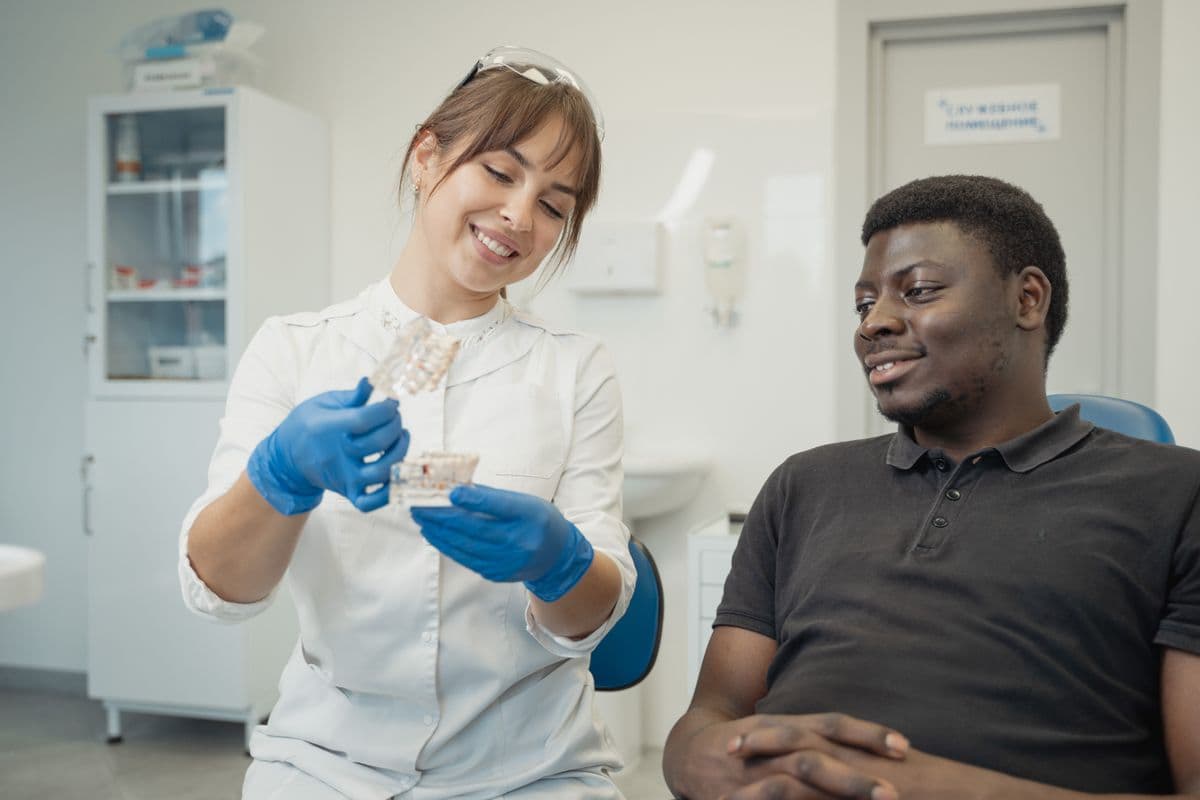
It's 11pm and your back tooth won't stop throbbing. You've just typed "does a root canal hurt" into your phone, and every answer online seems to disagree with the last one. At Care Plus Dental Clinic in Sector 8, Sanpada, Dr. Divya Vitkar hears this question before she hears anything else about the tooth itself. Here is the honest version, without the drama.
Where the "painful root canal" reputation actually comes from
Most of what people fear about root canals is really the memory of the toothache that sent them to a dentist in the first place. An infected tooth throbs, keeps you up at night, and hurts to bite on. That pain is real, and it happens before treatment starts.
Older techniques and instruments also left a mark on the procedure's reputation. Modern anaesthesia and rotary instruments have changed what a root canal actually feels like, even though the old stories keep circulating.
What you'll actually feel during the procedure
The tooth and the gum around it are numbed thoroughly before anything else happens. Dr. Vitkar does not begin until you confirm the area feels numb, not just tingly.
Once you're numb, an opening is made in the tooth and the infected tissue inside is removed. You'll feel pressure and vibration from the instruments, similar to a filling, but not sharp pain. The canals are then cleaned, shaped and sealed to keep bacteria out.
The instruments laid out on the tray tend to look far more frightening than they ever feel once the numbness sets in.
Dr. Vitkar talks you through each step before it happens, including the X-ray findings, so nothing about the appointment comes as a surprise. That matters more than most patients expect. A large part of dental anxiety comes from not knowing what's about to happen next, not from the treatment itself.
Depending on how deep the infection is, the sealing step happens either in the same appointment or at a second visit a few days later. Either way, you'll know which one applies to your tooth before you leave the chair.
Signs you might actually need a root canal
- A deep, throbbing ache that gets worse at night or when you lie down
- Sensitivity to hot or cold that lingers well after the food or drink is gone
- Pain when you bite down on one specific tooth
- Swelling or a small, recurring pimple on the gum near a tooth
- A tooth that has visibly darkened compared to the ones beside it
If your sensitivity fades within a few seconds and there's no lingering ache or swelling, you likely don't need an emergency visit tonight. A routine check-up is enough to have it looked at properly.
What's normal afterwards, and what's not
Mild tenderness for two to three days after treatment is normal, and it usually responds to the pain relief you're prescribed. Chewing on the other side for a few days helps too.
Contact the clinic if the pain increases instead of settling, or if you notice new swelling. That pattern is not typical recovery and is worth having checked rather than waiting out.
A root-treated tooth is also more brittle than a healthy one, which is why it's usually finished with a crown. Skipping that step is the most common reason a saved tooth fractures later, so it's worth completing even once the pain is long gone.
Root canal or extraction: the honest comparison
Extraction can feel like the simpler choice when a tooth hurts, but it usually costs more in the long run once you factor in an implant or bridge to replace what's gone. Neither ever fully matches your own tooth.
Where a tooth can still be saved, saving it is almost always the better decision. Preserving the natural tooth wherever possible is the default plan Dr. Vitkar works from, backed by her Fellowship in Contemporary Endodontics.
That said, extraction is sometimes genuinely the right call, particularly for a tooth broken below the gum line or badly weakened by long-term decay. Dr. Vitkar will say so plainly rather than pushing a root canal on a tooth that has little chance of lasting.
Either way, the decision is explained with the X-ray in front of you, not made behind closed doors. You see what she sees, and you decide together.
Frequently asked questions
Is a root canal treatment painful?
The procedure is done under local anaesthesia, so you should not feel pain during it. Most of the pain people associate with root canals is actually the infection they arrived with, which the treatment relieves. Mild tenderness for a few days afterwards is normal.
Will I feel anything at all during the procedure?
You'll feel pressure and vibration from the instruments, and sometimes the pull of the numbing solution taking effect. What you shouldn't feel is sharp pain. If you do, tell Dr. Vitkar immediately so more anaesthetic can be given.
How long does the soreness last after a root canal?
Typically two to three days, occasionally up to a week for a tooth that was heavily infected beforehand. Over-the-counter pain relief usually manages it well.
What actually causes the tooth pain that leads to a root canal?
It's usually infection or inflammation inside the pulp, the soft tissue at the centre of the tooth, from deep decay, a crack, or repeated dental work on the same tooth. Once the pulp is infected, the pain does not settle on its own.
Root canal or extraction: which should I choose?
If the tooth can still be saved, a root canal keeps your natural tooth and generally works out better long term than removing it and replacing it later. Dr. Vitkar will tell you plainly if a tooth is beyond saving rather than attempting to save it regardless.
Can a root canal be finished in a single visit?
Often, yes, depending on how much infection is present and which tooth is involved. A tooth with active swelling is usually safer to treat over two visits. You'll know which applies to you after the X-ray and examination.
If a toothache is keeping you up tonight, or you just want an honest opinion on what a niggling tooth needs, book a visit at Care Plus Dental Clinic, Tricity Montview, Sector 8, Sanpada. You can also read more about root canal treatment at the clinic, or about Dr. Divya Vitkar's Fellowship in Contemporary Endodontics.
Sources: American Association of Endodontists, Root Canal Myths vs. Facts; Cleveland Clinic, Root Canal Treatment.