
A root canal treats infection inside the tooth, in the soft tissue called the pulp. Once that tissue is infected, the pain does not settle on its own and the alternative is usually losing the tooth. An RCT removes the infected tissue, disinfects the canals and seals them, which lets you keep the natural tooth in your jaw.
Endodontics is Dr. Divya Vitkar's primary area of specialisation. She holds a Fellowship in Contemporary Endodontics, and root canal treatment is the procedure she performs most often at Care Plus Dental Clinic in Sanpada. Her approach is to preserve the natural tooth wherever the tooth can still be saved.
The reputation root canals have for being painful comes largely from older techniques and from patients arriving in acute pain in the first place. With proper anaesthesia, the procedure itself should feel like having a filling done.
What happens at your appointment
So there are no surprises: this is the sequence root canal treatment follows at Care Plus Dental Clinic.
Diagnosis and X-ray
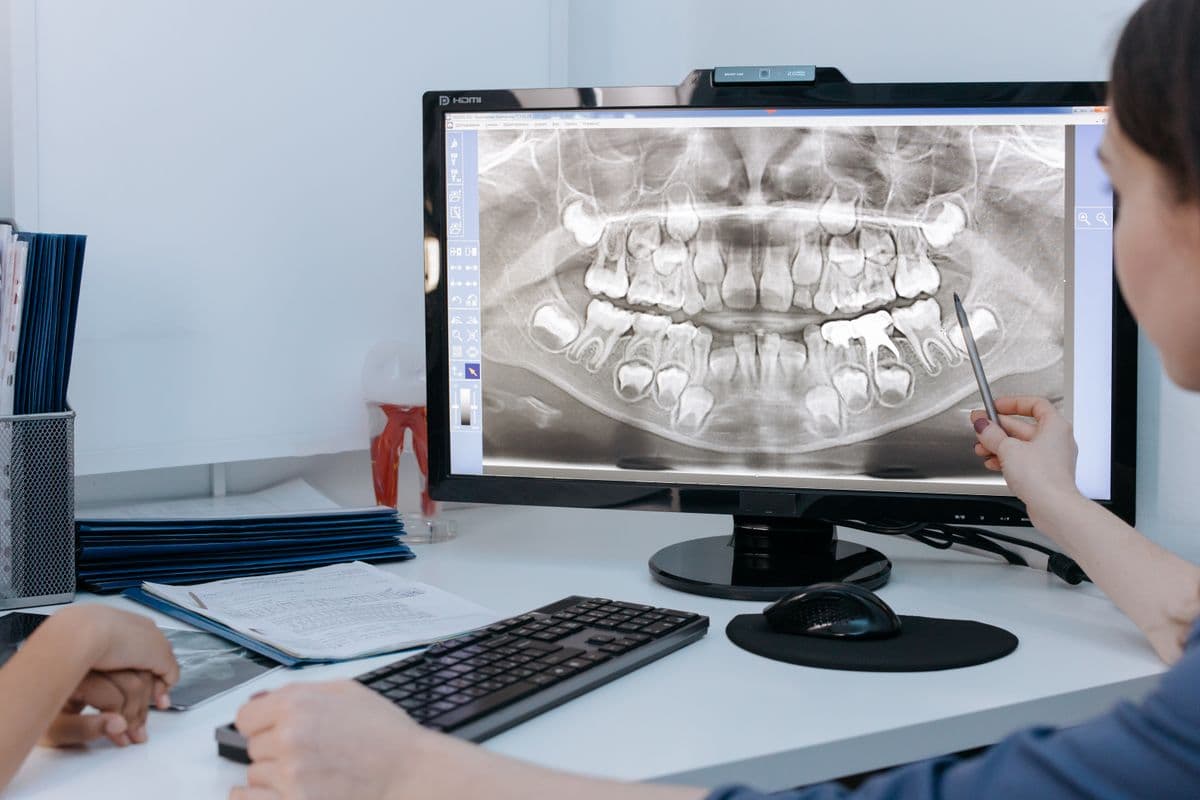
An examination and a dental X-ray confirm whether the pulp is genuinely involved, and show the shape and number of the canals. You will see the X-ray and have the findings explained before anything is decided.
Local anaesthesia
The tooth and the surrounding area are numbed thoroughly. The procedure does not begin until you confirm the area is numb.
Cleaning and shaping the canals
An opening is made in the crown of the tooth and the infected pulp is removed. The canals are then cleaned, shaped and disinfected along their full length.
Sealing
The cleaned canals are filled with an inert material and sealed, which prevents bacteria from re-entering. Depending on the case this may happen in the same sitting or at a second appointment.
Crown or final restoration
A tooth that has had a root canal is more brittle than a healthy one, so it is usually protected with a crown. This step matters: an unrestored root-treated tooth can fracture and then genuinely cannot be saved.
Aftercare
What you do in the days after treatment affects the result as much as the appointment itself.
- Mild tenderness for two to three days is normal, and usually responds to the pain relief you are prescribed.
- Avoid chewing hard food on that side until the permanent crown or filling is placed.
- Complete the crown appointment. Leaving a root-treated tooth without its final restoration is the most common reason the treatment fails later.
- Call the clinic if the pain increases rather than settles, or if swelling appears.
Root Canal Treatment: common questions
Is a root canal painful?
The procedure is done under local anaesthesia, so you should not feel pain during it. Most of the pain patients associate with root canals is the infection they arrived with, which the treatment relieves. Mild tenderness for a few days afterwards is normal.
Can a root canal be done in one sitting?
Often yes, depending on how much infection is present and which tooth is involved. Cases with active swelling or a heavily infected tooth are safer to complete across two visits. Dr. Vitkar will tell you which applies to your tooth after the X-ray.
Do I really need a crown afterwards?
In almost all cases, yes. A root-treated tooth loses its blood supply and becomes brittle, and back teeth take heavy biting force. A crown protects the tooth from fracturing, which is what turns a saved tooth into an extraction.
How long does a root-treated tooth last?
A well-treated and properly crowned tooth can last many years, in many cases for life. Keeping up with brushing, flossing and regular check-ups is what makes the difference.
Is it better to just extract the tooth?
Rarely. Replacing a tooth with an implant or bridge costs more, takes longer and never fully matches your own tooth. Where the tooth can still be saved, saving it is almost always the better decision, which is why preserving natural teeth is Dr. Vitkar's default approach.