
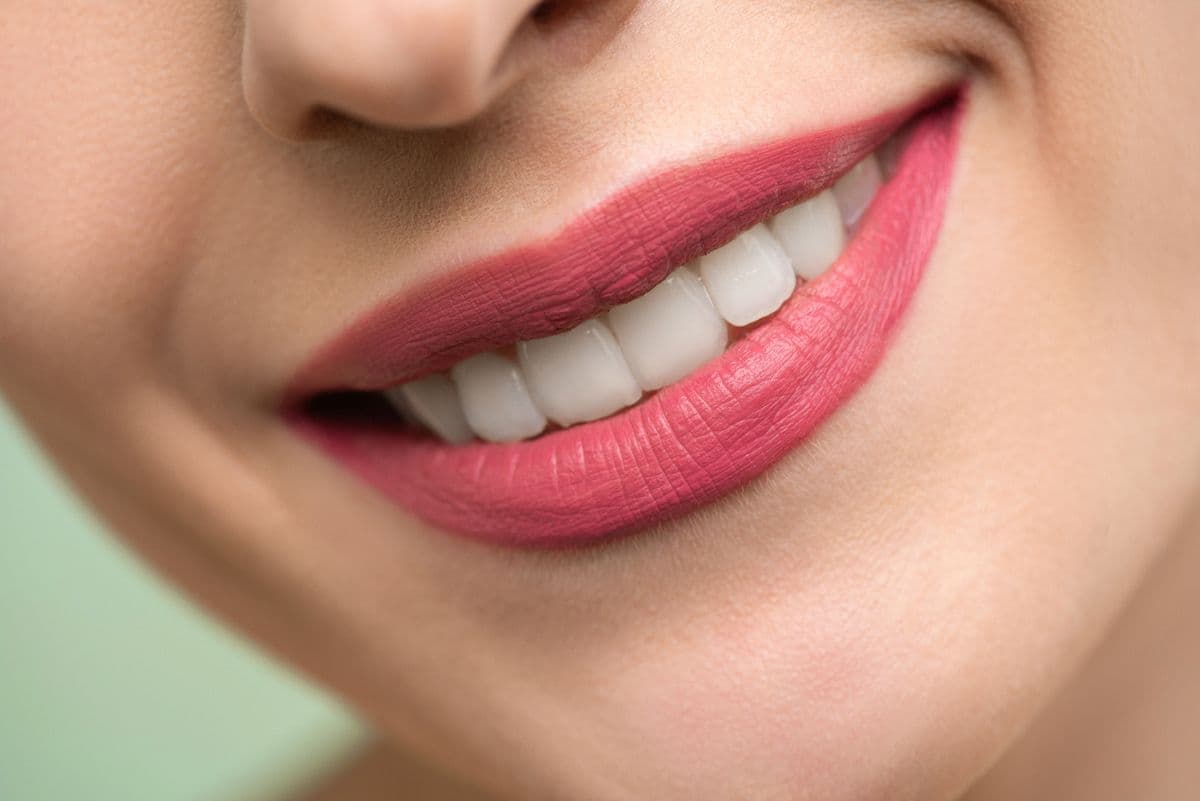
Smile designing plans the shape, length, colour and proportion of your front teeth as a set, rather than fixing one tooth at a time. The reference points are your lip line, the midline of your face and how much tooth shows when you speak and smile, so the result suits you specifically.
Veneers are the tool used most often: thin, custom-made shells bonded to the front surface of the teeth. They correct chips, gaps, discolouration that whitening cannot lift, and small irregularities in shape, in a small number of visits.
Dr. Vitkar has completed formal training in Treatment Planning in Smile Designing, alongside a Masterclass in Dental Photography, which is how the before-and-after planning is documented and shown to you rather than described.
What happens at your appointment
So there are no surprises: this is the sequence smile design / veneers follows at Care Plus Dental Clinic.
Consultation and photographs
Clinical photographs and a full examination record where you are starting from, and you describe what you want changed in your own words.
Digital smile planning
The proposed shape, length and proportion are planned against your facial reference points, and you see the plan before any tooth is touched.
Trial smile
Where suitable, a temporary mock-up lets you see and live with the proposed shape before it is made permanent, so changes can still be made.
Preparation and fitting
Minimal preparation of the tooth surface where the veneer type requires it, then impressions, and finally bonding the finished veneers in place.
Review
The bite and the finish are reviewed after fitting, and photographs record the final result.
Aftercare
What you do in the days after treatment affects the result as much as the appointment itself.
- Veneers do not decay but the tooth behind them can, so daily brushing and flossing still matter.
- Avoid biting nails, pens or thread; veneers chip under point loads.
- If you grind your teeth at night, wear the night guard you are given.
- Coffee, tea and tobacco stain the natural teeth around the veneers over time, which can make shades drift apart.
Smile Design / Veneers: common questions
Do veneers damage my natural teeth?
Some veneer types need a thin layer of enamel removed so the veneer sits flush and does not look bulky. Minimal-preparation options exist for suitable cases. Which applies to you is discussed and shown before treatment starts.
How long do veneers last?
Well-made veneers, looked after properly, commonly last many years. Grinding, biting hard objects and poor gum health are what shorten that.
Will they look fake?
Not if they are planned properly. Natural teeth are not uniform white rectangles, and a good smile design keeps subtle variation in shape and translucency. This is exactly what the planning and trial-smile stages are for.
Veneers or braces?
If teeth are healthy and simply misaligned, orthodontics moves them into position without altering the teeth themselves and is usually the better choice. Veneers make more sense when shape, colour or worn edges also need correcting.